The wind sweeps across the moors of the Scottish Highlands with a voice of its own—a low, persistent hum that seems to echo the very soul of this ancient land. It is here, amid the heather-clad hills and mist-shrouded glens, that another sound often joins this natural chorus: the lone cry of the bagpipes. There is something in the piper’s melody that captures a profound sense of isolation, a haunting beauty that lingers in the air long after the last note has faded into the silence of the mountains.
There is a certain quality to the Icelandic night that defies simple description. It is not merely the absence of sun, but a profound, velvety darkness that feels both ancient and immediate. The air, crisp and sharp with the scent of Arctic moss and distant ice, carries a silence so deep you can hear the blood pulse in your own ears. It is into this sacred hush that the magic descends. It begins not with a bang, but with a whisper. A faint, almost imperceptible smear of luminescent green against the star-dusted canvas of the sky. Then another. And then, as if some celestial painter has grown impatient, the heavens erupt.
In the heart of Italy, where the sun seems to paint the landscape with a golden brush, lies Tuscany—a region that whispers tales of art, history, and the very essence of the Renaissance. To wander through its rolling hills, medieval towns, and sun-drenched vineyards is to step into a living dream, one where the past is not merely remembered but vividly alive. This is a place where every stone, every fresco, and every sip of wine tells a story of human brilliance and beauty, inviting travelers to lose themselves in the magic of a bygone era.
As the golden hour descends upon Paris, an almost palpable transformation sweeps through the city. The frantic pace of the day yields to a slower, more contemplative rhythm, and nowhere is this shift more profoundly felt than along the banks of the Seine. The river, the very lifeblood of Paris, seems to breathe a sigh of contentment, its waters softening into gentle, shimmering waves that reflect the deepening hues of the sky. To be here at this hour is to understand the city’s soul, to become part of a timeless ritual of light, water, and stone.
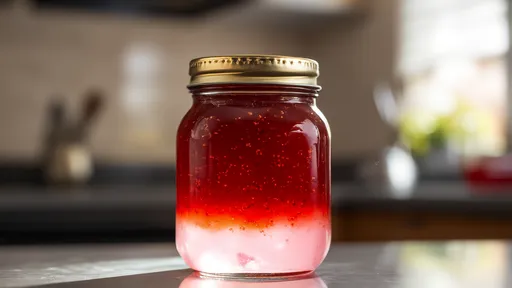
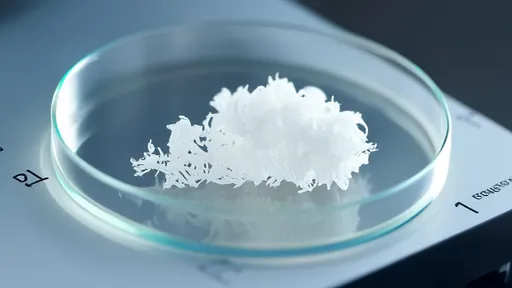
In the world of culinary arts, few ingredients wield as much transformative power as gelling agents. From the humble fruit preserve to the elegant dessert mousse, these substances work behind the scenes to create textures that delight the palate and elevate simple ingredients into extraordinary creations. The journey from fruit to perfect jam or from liquid to airy mousse is a fascinating tale of chemistry, tradition, and innovation, where pectin and gelatin play starring roles.
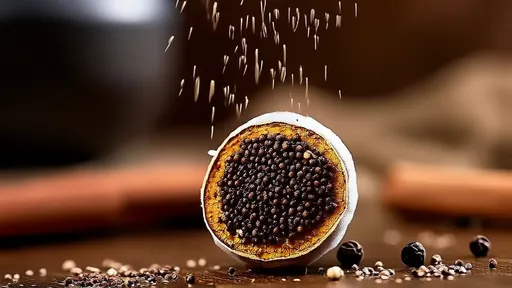
There is a particular magic in the act of grinding whole spices. The moment the pestle meets the mortar, a fragrant cloud erupts, announcing a depth and complexity that its pre-ground counterpart could never hope to match. This is not merely culinary folklore or romanticized kitchen tradition; it is a profound lesson in chemistry, physics, and the ephemeral nature of flavor itself. The simple truth is that a spice’s most captivating essence is a fleeting prisoner, locked within its cellular structure, and grinding is the key that sets it free, but only for a short, glorious while.
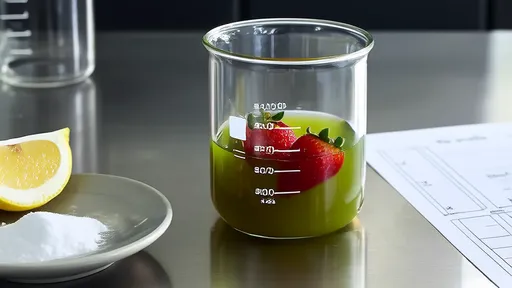
In the intricate dance of culinary arts, few elements wield as transformative a power as pH—the measure of acidity or alkalinity in a substance. While often relegated to the realms of chemistry, pH plays a starring role in the kitchen, dictating everything from flavor balance to texture, color, and preservation. Two humble yet mighty ingredients, lemon juice and baking soda, serve as accessible tools for chefs and home cooks alike to manipulate pH and, in turn, revolutionize the textures of their dishes. Understanding how to harness these agents can elevate cooking from mere preparation to an art form, where science and creativity intersect.
In the world of frozen desserts, achieving the perfect scoop of ice cream is both a science and an art. The quest for that velvety, smooth texture free from icy crystals has long been a challenge for manufacturers and artisanal creators alike. Central to this pursuit is the mastery of freezing rates—a critical factor that determines whether the final product delights the palate with its creaminess or disappoints with an unwelcome crunch of ice particles. This article delves into the intricate relationship between freezing dynamics and ice crystal management, exploring how precise control over temperature and timing can transform humble ingredients into a sublime sensory experience.
In the quiet darkness of a fermentation jar, a microscopic war rages. The fate of your kimchi, sauerkraut, or pickles hangs in the balance of this unseen battle. This isn't about following a recipe to the letter; it's about understanding and orchestrating a complex microbial ecosystem. The victors of this war determine whether you are rewarded with a crisp, tangy, and probiotic-rich delight or a slimy, foul-smelling jar of regret. Gaining the upper hand in this fermentation feud requires a blend of ancient wisdom and modern science, turning you from a passive observer into an active conductor of microbial symphonies.
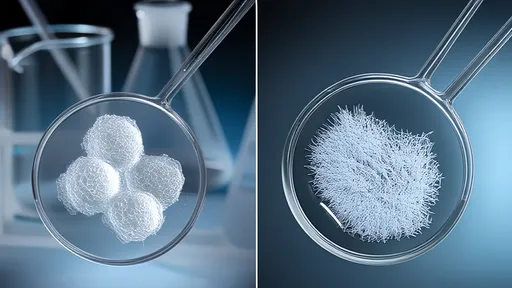
There’s a familiar scene in many households: a pot of leftover rice, once fluffy and tender, transformed overnight into a hardened, unappetizing mass. This common kitchen phenomenon isn’t just a matter of moisture loss or simple staleness—it’s a fascinating story of molecular transformation, governed by the twin processes of starch gelatinization and retrogradation. Understanding the science behind why rice turns hard isn’t merely academic; it reveals practical, effective ways to restore its desirable texture and even prevent the problem altogether.
In the quiet transformation from clear viscous liquid to opaque solid lies one of nature's most elegant culinary demonstrations—the denaturation of egg white proteins. This process, governed by precise thermal dynamics, represents not merely a cooking technique but a fundamental biochemical dance where temperature serves as both conductor and catalyst. The window between approximately 60°C and 80°C marks the critical range where albumen undergoes its remarkable metamorphosis, a phenomenon that has fascinated chefs and scientists alike for centuries.
In the confectionery world, the transformation of sugar under heat is both an art and a science, governed by precise temperature control. The journey from granulated sweetness to glossy, structured candies hinges on the concept of the glass transition, a critical phase change that dictates texture, stability, and shelf life. Whether crafting brittle hard candies, chewy soft caramels, or rich toffees, confectioners must master thermal thresholds to achieve desired outcomes. This deep dive explores how temperature manipulation during cooking and cooling influences the glassy state of sugar, shaping the very essence of these beloved treats.
In the world of culinary arts, few things are as simultaneously rewarding and frustrating as working with emulsions. From the creamy perfection of a well-made hollandaise to the catastrophic breakdown of a mayonnaise, the stability of these delicate mixtures represents both a technical challenge and an artistic achievement for chefs and home cooks alike. The science behind emulsion stability isn't just academic curiosity—it's the difference between a sublime sauce and a culinary disaster waiting to happen.
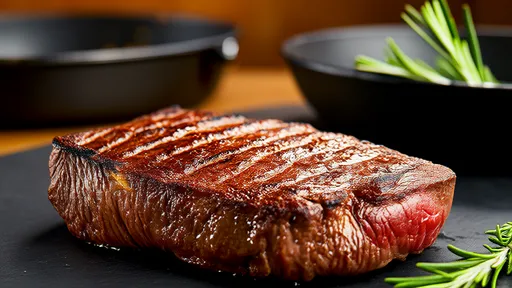
There is a moment in every cook’s journey when the line between a beautifully caramelized crust and a bitter, burnt disaster feels terrifyingly thin. That searing hot pan, the sizzle of proteins hitting the surface, the aromatic promise of browning—it’s a high-stakes culinary ballet. The difference between a triumph and a tragedy in that pan, on that grill, or under that broiler, boils down to a profound understanding of a single, elegant chemical process: the Maillard reaction.
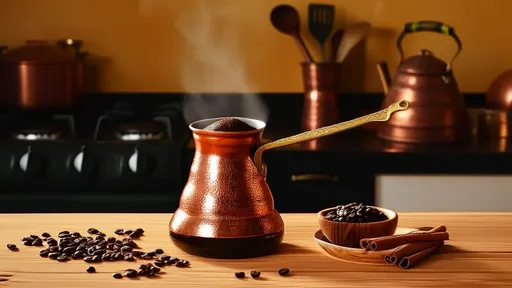
In the quiet corners of Istanbul's historic coffeehouses, a centuries-old tradition continues to unfold with meticulous precision. The preparation of Turkish coffee represents not merely a beverage but a cultural ritual, where every detail matters—from the selection of beans to the final pour. Among these details, two elements stand out as particularly crucial for achieving that signature intensity: the use of an ultra-fine grind and the patient art of cold-water brewing. These techniques, when mastered, transform simple coffee into an experience that engages all the senses.
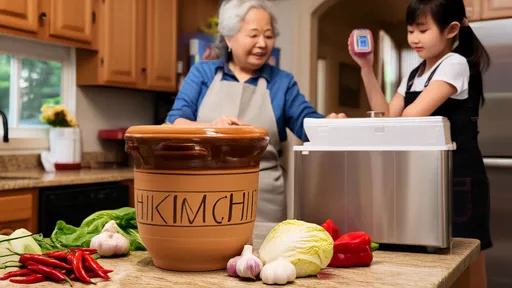
In the heart of every Korean household, for generations, there has stood a vessel of profound cultural and culinary significance: the kimchi jar. These humble earthenware pots, often tended by grandmothers with time-worn hands, were not merely containers but living ecosystems where vegetables, spices, and time conspired to create one of the world's most iconic fermented foods. This jar was the silent, bubbling epicenter of family life, a tangible link to ancestral wisdom and seasonal rhythms. The process was as much an art as a science, guided by intuition, oral tradition, and a deep respect for natural processes. The fermentation within was a quiet, slow dance of microbes, entirely dependent on the ambient temperature of the cellar or the shaded corner of the courtyard. It was unpredictable, sometimes yielding sublime perfection, other times a disappointing batch, but it was always authentically, humanly made.
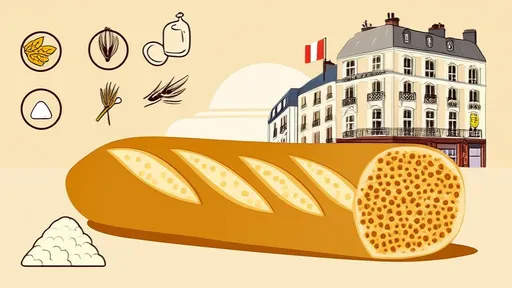
In the predawn hours of Parisian bakeries, where flour dust hangs like morning mist and the scent of yeast perfumes the air, a culinary sacrament unfolds. Here, amid the warmth of wood-fired ovens, bakers engage in a ritual governed not by corporate innovation but by reverence for tradition—a tradition codified into law. The humble baguette, that quintessential symbol of French identity, is protected by a 1993 decree known as the Décret Pain, which mandates that the baguette de tradition française may contain only four ingredients: wheat flour, water, salt, and yeast. This legal framework, far from being a mere bureaucratic exercise, represents a profound cultural statement—a declaration that some things are too precious to be left to the whims of the market.
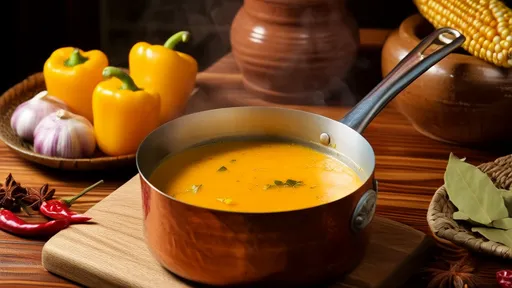
In the vibrant tapestry of South American cuisine, few ingredients command as much reverence and versatility as the Aji Amarillo. This golden-yellow chili pepper, native to Peru, is not merely a spice but the very heartbeat of countless traditional dishes. Its name, translating to "yellow chili" in Spanish, belies the profound complexity it brings to the table—a harmonious blend of fruity sweetness, moderate heat, and an unmistakable earthy undertone that has captivated chefs and home cooks for centuries.
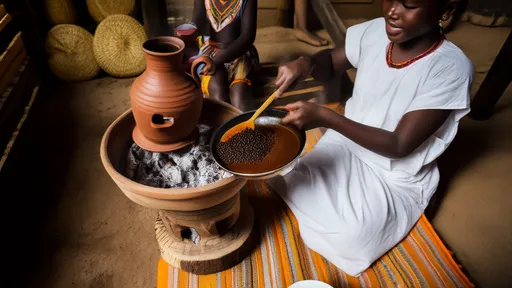
In the highlands of Ethiopia, where coffee first blossomed wild in the forests of Kaffa, the preparation and sharing of the beloved bean is not merely a daily routine but a profound cultural ritual. The Ethiopian coffee ceremony, known as Bunna Tetu, is a cornerstone of social and spiritual life, a multi-sensory experience that engages community, tradition, and all five senses. It is an invitation, a meditation, and a celebration, transforming the simple act of making a drink into a ceremonial art form that can last for hours. To understand it is to understand a significant part of the Ethiopian soul.
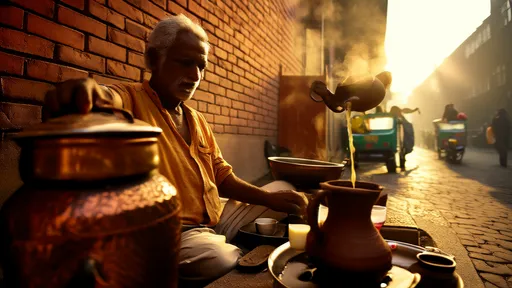
In the bustling streets of India, the air is often filled with the aromatic and inviting scent of Masala Chai, a spiced tea that has become a cultural icon. This beloved beverage is more than just a drink; it is an experience that engages all the senses. The preparation of authentic street-style Masala Chai is an art form, where the balance of spices, the freshness of ingredients, and the precision in brewing time come together to create a complex and harmonious flavor profile. At the heart of this process lies what can be described as a flavor equation—a delicate interplay between the grinding of spices and the duration of boiling, which ultimately defines the character of the chai.
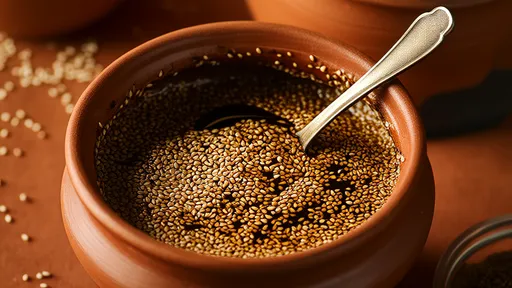
In the bustling markets of the Middle East, among the aromatic spices and vibrant produce, one finds tahini—a humble yet profound paste that has been a cornerstone of the region’s cuisine for centuries. Made from toasted, hulled sesame seeds, tahini is more than just an ingredient; it is a cultural artifact, a testament to the artistry of balancing texture and flavor. Its versatility spans from the creamy depths of hummus to the sharp tang of tarator sauce, yet many home cooks and even seasoned chefs grapple with its most common frustration: the separation of oil and paste. Understanding this phenomenon, and mastering the techniques to harmonize tahini, unlocks not only a smoother consistency but also a richer, more nuanced flavor profile.
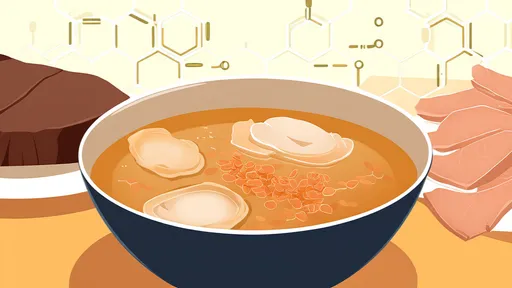
In the world of culinary science, few concepts have captivated chefs and food enthusiasts quite like umami, the elusive fifth taste that transcends the familiar quartet of sweet, sour, salty, and bitter. First identified by Japanese scientist Kikunae Ikeda in 1908, umami—often described as savory or meaty—has since been recognized as a fundamental pillar of flavor perception. While umami can be found in a variety of ingredients, from aged cheeses to ripe tomatoes, perhaps its most iconic and scientifically intriguing manifestation occurs in the traditional Japanese pairing of kombu (edible kelp) and katsuobushi (dried, fermented skipjack tuna flakes). This combination forms the backbone of dashi, the foundational broth of Japanese cuisine, and exemplifies a remarkable phenomenon known as the umami synergy effect.
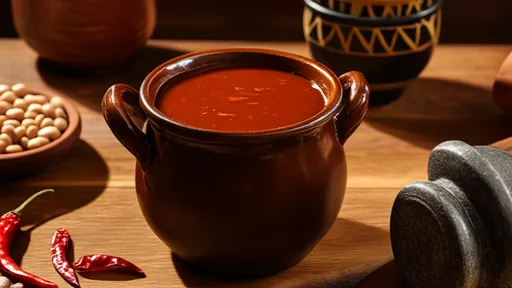
In the heart of Mexican culinary tradition lies a sauce so complex and storied that it transcends mere condiment status to become a symbol of cultural identity and historical depth. Mole, particularly the iconic mole poblano, represents one of the most fascinating and intricate flavor marriages in global gastronomy: the union of chocolate and chili. This is not the sweet, creamy chocolate of European desserts, but something entirely different—a rich, dark, bitter ingredient that, when melded with the fiery heat of various chilies, creates a sauce that is simultaneously earthy, spicy, sweet, and savory. It is a dish that defies simple categorization and invites diners into a centuries-old narrative of indigenous ingenuity, colonial influence, and culinary alchemy.
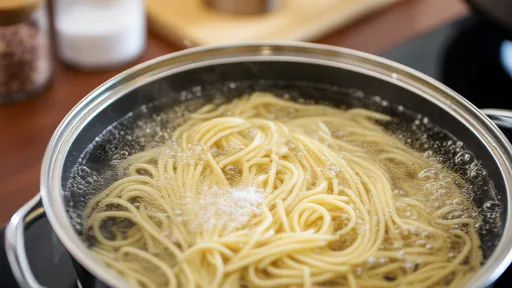
The alchemy of pasta cooking water remains one of the most whispered yet profoundly transformative secrets in Italian culinary tradition. To the uninitiated, it appears as nothing more than cloudy hot water, destined for the drain. But to those who understand its properties, this humble liquid is the very soul of a cohesive, restaurant-quality sauce. Its power does not lie in any single magical property, but in a precise, scientific interplay between its starch content and its ability to create a stable emulsion, a balance often referred to by seasoned chefs as the golden ratio.
Nestled in the pristine landscapes of Jilin Province, Changbai Mountain stands as one of Northeast China's most breathtaking natural wonders. Among its many attractions, the Luning Resort has emerged as a premier destination for travelers seeking both adventure and relaxation. With its world-class ski facilities and rejuvenating hot springs, it offers a unique blend of excitement and tranquility that caters especially well to beginners and those looking to unwind after a day on the slopes.
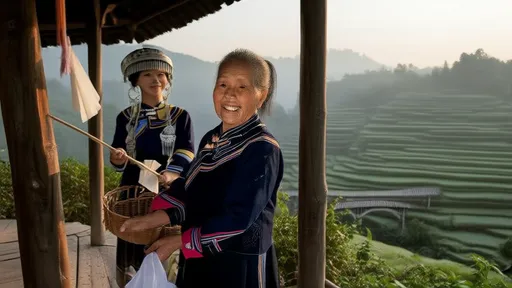
Nestled in the lush, mountainous folds of Guizhou province lies Zhaoxing Dong Village, a living tapestry of culture, song, and tradition that offers travelers an immersive journey into the heart of China’s Dong ethnic minority. Far from the hurried pace of modern city life, this ancient village invites visitors to slow down, listen, and engage with a way of life that has been carefully preserved over centuries. From the hauntingly beautiful polyphonic choirs of the Dong Grand Song to the meticulous, time-honored craft of handmade paper-making, a deep exploration of Zhaoxing is not merely a trip—it is an experience that resonates long after you’ve returned home.
Nestled in the rugged mountains of West Sichuan, the Lotus Lake trek offers an extraordinary journey through some of China's most pristine and captivating landscapes. This route is not just a hike; it is an immersion into nature's finest work, where steaming wild hot springs meet the serene beauty of high-altitude lakes. For adventurers seeking both challenge and rejuvenation, this trek stands as a unique and unforgettable experience.
Every spring, a magical phenomenon transforms the coastline of Pingtan Island into a scene straight out of a fantasy novel. The waters begin to glow with an ethereal blue light, as if the stars themselves have fallen into the ocean. This natural wonder, known as "blue tears," is caused by bioluminescent plankton called Noctiluca scintillans. For travelers and nature enthusiasts, witnessing this spectacle is a bucket-list experience, and Pingtan in China's Fujian province has emerged as one of the world's premier destinations to see it.
Nestled deep within the sacred Meili Snow Mountains of Yunnan, the remote village of Yubeng has long been a pilgrimage for intrepid hikers seeking spiritual solace and breathtaking Himalayan vistas. While the classic routes to Sacred Waterfall and Ice Lake draw most visitors, a network of lesser-known trails now beckons those willing to venture beyond the trodden path into realms where nature’s whispers grow louder and the modern world fades into irrelevance.
As the world becomes increasingly interconnected, the ability to stay in touch while traveling internationally has transformed from a luxury into a near necessity. Whether you're a digital nomad, a business professional on the go, or a vacationer wanting to share moments with loved ones back home, navigating the maze of international communication options is a critical part of trip planning. The landscape of solutions is vast and varied, ranging from traditional voice calls to sophisticated data-driven applications, each with its own set of advantages, limitations, and costs. Understanding these options before you depart can save you from exorbitant bills, connectivity headaches, and the frustration of being unreachable in a moment of need.
In the age of instant information and social media, travel myths spread faster than ever before. These misconceptions, often repeated by well-meaning travelers or sensationalized by content algorithms, can shape our decisions, fuel anxieties, and sometimes even ruin what could have been a perfect trip. It's time to separate fact from fiction and debunk some of the most persistent travel rumors that continue to circulate.
As we look ahead to 2024, the travel landscape continues to evolve in fascinating ways, shaped by technological advancements, environmental consciousness, and a collective yearning for deeper connections. The annual travel trends report highlights several emerging patterns that are redefining how we explore the world. This year, it's not just about where we go, but how we travel that takes center stage.
As more families consider their pets as integral members, the travel industry has responded with a growing number of accommodations and destinations that welcome four-legged companions. The concept of pet-friendly travel has evolved from merely tolerating animals to actively catering to their needs, ensuring that both pets and their owners enjoy a comfortable and memorable experience. From urban retreats to nature escapes, the options are expanding, making it easier than ever to plan a trip without leaving your furry friend behind.
Embarking on a solo journey can be one of life's most rewarding experiences, offering unparalleled freedom and self-discovery. However, traveling alone also demands heightened awareness and preparation to ensure safety remains a priority throughout your adventure. Whether you're wandering through bustling cities or exploring remote landscapes, being a solitary traveler means you are solely responsible for your wellbeing. This guide delves into essential practices and mindful strategies that every independent explorer should embrace to navigate the world securely and confidently.